Perceived Sources of Anthropogenic Underwater Noise in the Marine Ecosystem of Malindi Ward, Zanzibar
Keywords:
Anthropogenic noise;, Underwater noise;, Soundscape ecology;, Marine ecosystem;, Coastal management;Abstract
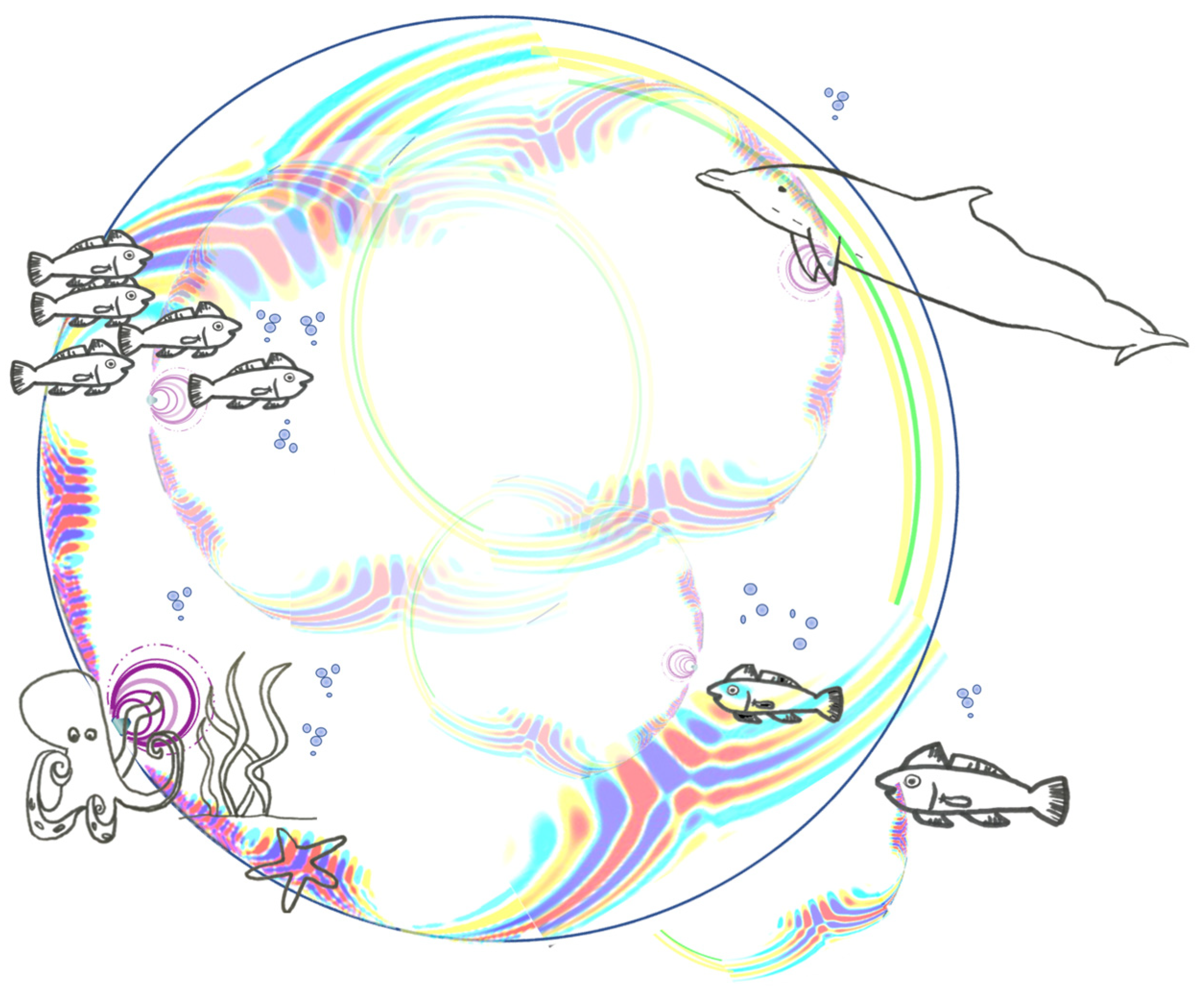
Anthropogenic underwater noise is an emerging environmental pressure in coastal areas, but evidence on its local sources in tropical small-island settings remains limited. This study assessed the sources of anthropogenic noise in the marine ecosystem of Malindi Ward, Zanzibar, and examined stakeholder perceptions of their ecological implications. A convergent parallel mixed methods design was used. Data were collected from 94 respondents comprising 70 fishers, 18 tourism operators and 6 coastal management officials through questionnaires, interviews, observations and document review. Quantitative responses were measured using a four-point Likert scale and analysed using descriptive statistics, while qualitative information was analysed thematically and integrated with survey findings. Boat traffic involving cargo and tourist vessels was the most highly rated source of noise (M = 3.62), followed by speedboats and jet skis (M = 3.13), port operations (M = 2.85), coastal infrastructure activities (M = 2.83) and fishing-vessel noise (M = 2.72). Coastal construction, recreational activities, industrial activities, underwater drilling and nighttime noise from anchored ships received lower ratings. Interview participants associated vessel and construction noise with changes in fish behaviour, disruption of fishing activities and perceived reductions in catches. The findings indicate that marine noise management in Malindi should address large commercial vessels and repeated nearshore activities, particularly tourism and port operations. The study recommends integrating acoustic considerations into marine spatial planning and environmental assessments, establishing low-noise zones around sensitive habitats, improving vessel-noise management and strengthening community participation in monitoring. The study provides a baseline for acoustic measurements and appropriate marine-noise management in Zanzibar